
How thoughtful choices can create value across generations
“A legacy is not simply inherited. It is carefully built, protected and passed forward.”
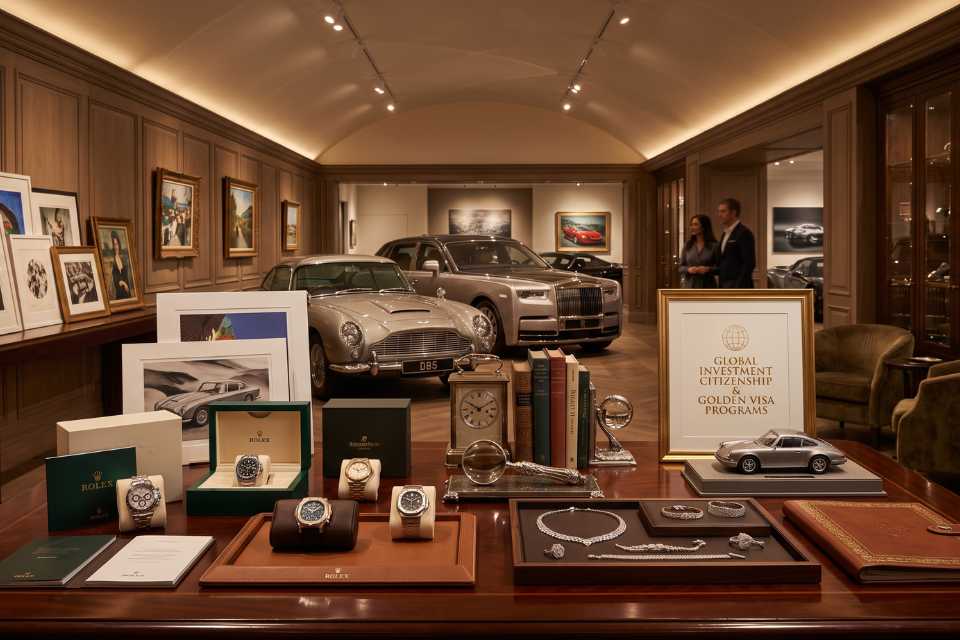
A luxury object may begin as a personal purchase, but its story does not have to end with its first owner. A fine watch, an important jewel, a classic automobile, a work of art or a beautifully crafted heirloom can remain useful, meaningful and desirable for decades. When chosen and cared for wisely, it may become part of a family’s history.
According to Dr. Sachinn S. Sharma, Founder of SSSLUX, building a luxury legacy requires more than spending. It involves authenticity, informed selection, proper documentation, specialist maintenance, sensitive restoration and a clear plan for the future. These elements transform a group of expensive possessions into a collection with continuity.
A Legacy Begins with Purpose
Before buying, a collector should understand what the collection is meant to represent. It may preserve family milestones, celebrate craftsmanship, support a passion for watches or automobiles, connect with cultural heritage, or bring together art that reflects a personal point of view.
Purpose creates discipline. It helps a person decide what belongs in the collection and what is merely attractive in the moment. Without a clear direction, purchases can become repetitive, disconnected or difficult to manage. With purpose, each new object contributes to a larger story.
Authenticity Is the Foundation
Long-term value begins with confidence that an object is genuine. Counterfeit, altered or incorrectly represented products may look convincing, yet they can lose credibility as soon as their history or construction is examined. The higher the value of the purchase, the more important independent verification becomes.
Authenticity may be supported by serial numbers, maker’s marks, certificates, invoices, service records, expert examination and verifiable provenance. No single document should replace careful assessment. Strong evidence should connect the physical object to a reliable and traceable history.
Expert Guidance Reduces Costly Mistakes
Luxury categories contain details that are easy to miss. A watch may have replacement parts, a jewel may contain a treated gemstone, an automobile may have hidden structural work, and an artwork may lack reliable provenance. These issues can affect suitability, maintenance and future desirability.
Expert guidance helps a buyer ask better questions before committing. Specialists can assess condition, compare quality, identify risks, study documentation and explain whether the price reflects genuine value. Their role is not to remove personal choice, but to give that choice a stronger factual foundation.
Buy Quality That Can Be Maintained
A product cannot become an heirloom simply because it is costly. It must be capable of surviving use, ageing and repair. Durable materials, sound construction, available expertise and access to appropriate parts or techniques all influence whether an object can remain functional for the next generation.
This is why maintainability matters at the time of purchase. A mechanical watch with specialist service support, a piece of jewellery with a secure and repairable setting, or a classic car with documented mechanical care may have a better future than an object that cannot be properly inspected or restored.
Documentation Protects the Story
A luxury legacy is partly physical and partly informational. Receipts, certificates, photographs, valuations, service invoices, restoration reports, ownership history and insurance records help future owners understand what they have inherited. Without these records, even an authentic object may become difficult to identify or evaluate.
Documentation should be organised, protected and updated whenever the object is serviced, altered, exhibited, transported or transferred. Clear records preserve provenance and reduce confusion. They also allow future custodians to make responsible decisions rather than relying on family memory alone.
Maintenance Preserves More Than Appearance
Regular care protects function, structure and identity. Watches require servicing at suitable intervals, jewellery needs inspection for loose stones or worn settings, automobiles benefit from preventive mechanical care, and artworks require appropriate light, humidity, handling and storage.
Maintenance should be proportionate and documented. Unnecessary intervention can be as harmful as neglect. Harsh polishing may remove original surfaces, unsuitable cleaning may damage materials, and unqualified repairs can reduce both integrity and value. The objective is preservation, not making every old object appear new.
Restoration Requires Judgement
Restoration becomes necessary when age, damage or previous repair threatens an object’s use or stability. Yet restoration always involves choices. Replacing a component may improve function but reduce originality; cleaning may reveal beauty but remove evidence of age. The correct decision depends on the object, its condition and its purpose.
A responsible restoration plan begins with assessment and documentation. Specialists should record the condition before work, explain available options and use appropriate materials and reversible methods where possible. Sensitive restoration respects the maker’s intention while protecting the object’s future.
Build a Balanced Collection
A lasting collection does not need to be large. It should be understandable, manageable and connected to the owner’s life. Concentrating on fewer high-quality pieces often makes it easier to maintain standards, preserve records and develop genuine knowledge.
Balance also means avoiding excessive dependence on one trend, maker or speculative market. Emotional importance, practical use, craftsmanship, cultural relevance and financial value may all contribute differently. A collection becomes stronger when its worth can be appreciated even if market attention changes.
Plan for the Next Custodian
Passing a collection forward requires communication. Future family members should know why particular objects matter, how they should be handled, where records are kept and which specialists can care for them. A simple inventory with photographs, descriptions, condition notes and supporting documents can be invaluable.
Legal ownership, insurance, storage and succession arrangements may also require qualified professional advice. The practical plan will differ by family and jurisdiction, but the principle remains the same: a legacy should not leave the next generation with uncertainty, avoidable disputes or objects they do not understand.
The Role of SSSLUX
SSSLUX supports a long-term approach to luxury. Its perspective brings together informed sourcing, authenticity review, condition assessment, curation, maintenance awareness and restoration planning across categories such as watches, jewellery, automobiles, art and personal lifestyle objects.
The value of this approach lies in continuity. Guidance before purchase can reduce mistakes; organised information can protect provenance; appropriate care can preserve condition; and thoughtful planning can help the collection remain meaningful to future custodians. SSSLUX helps connect these decisions into one coherent journey.
Legacy Is More Than Resale Value
Some luxury objects may retain or increase market value, while others may not. No collection should be treated as a guaranteed investment. Condition, authenticity, rarity, demand, documentation and cultural relevance can all change over time.
A true legacy also carries non-financial value: the watch worn at an important achievement, the jewel associated with a family celebration, the artwork that shaped a home, or the automobile linked to shared journeys. These stories give future generations a reason to preserve the object beyond its price.
Conclusion: From Ownership to Stewardship
Building a luxury legacy means thinking beyond the moment of purchase. Authentic products create trust, expert guidance improves decisions, documentation protects identity, maintenance preserves condition, restoration extends life and succession planning prepares the next custodian.
The most meaningful collector is therefore not only an owner, but a steward. With patience and the right support, a carefully chosen collection can carry craftsmanship, memory and personal values from one generation to the next. That is where luxury becomes legacy.